

Key Takeaways
- In-cabin travel is limited to small pets that fit under the seat in an approved carrier.
- Cargo transport involves a separate, climate-controlled hold - not the same as uncontrolled baggage.
- Airline policies, breed restrictions, and route rules vary significantly and change without notice.
- Neither option is universally safer - the right choice depends on your pet's size, health, and temperament.
- Always verify current requirements directly with your airline before booking any pet travel.
Our Verdict
In-cabin travel offers more direct owner oversight and is generally preferred for small, calm pets on shorter routes. Cargo is the only viable option for larger animals, but requires careful research into airline standards and seasonal restrictions. There is no single correct answer - the decision hinges on your specific pet's needs, the route, and the airline's policies.
| Best for | Recommended |
|---|---|
| Owners traveling with a small dog or cat on a domestic route | In-Cabin Travel |
| Pet owners with large dogs or multiple animals | Cargo Transport |
| Travelers with brachycephalic (flat-faced) breeds | Neither - ground transport is often safer; consult your vet |
| Those weighing all travel modes for their pet | Review trade-offs first |
The Core Difference: Where Your Pet Actually Goes
When you fly with a pet, you face a fundamental fork in the road: your animal either rides in the passenger cabin with you or travels in the aircraft's cargo hold. These are genuinely different experiences - physically, logistically, and from a welfare standpoint.
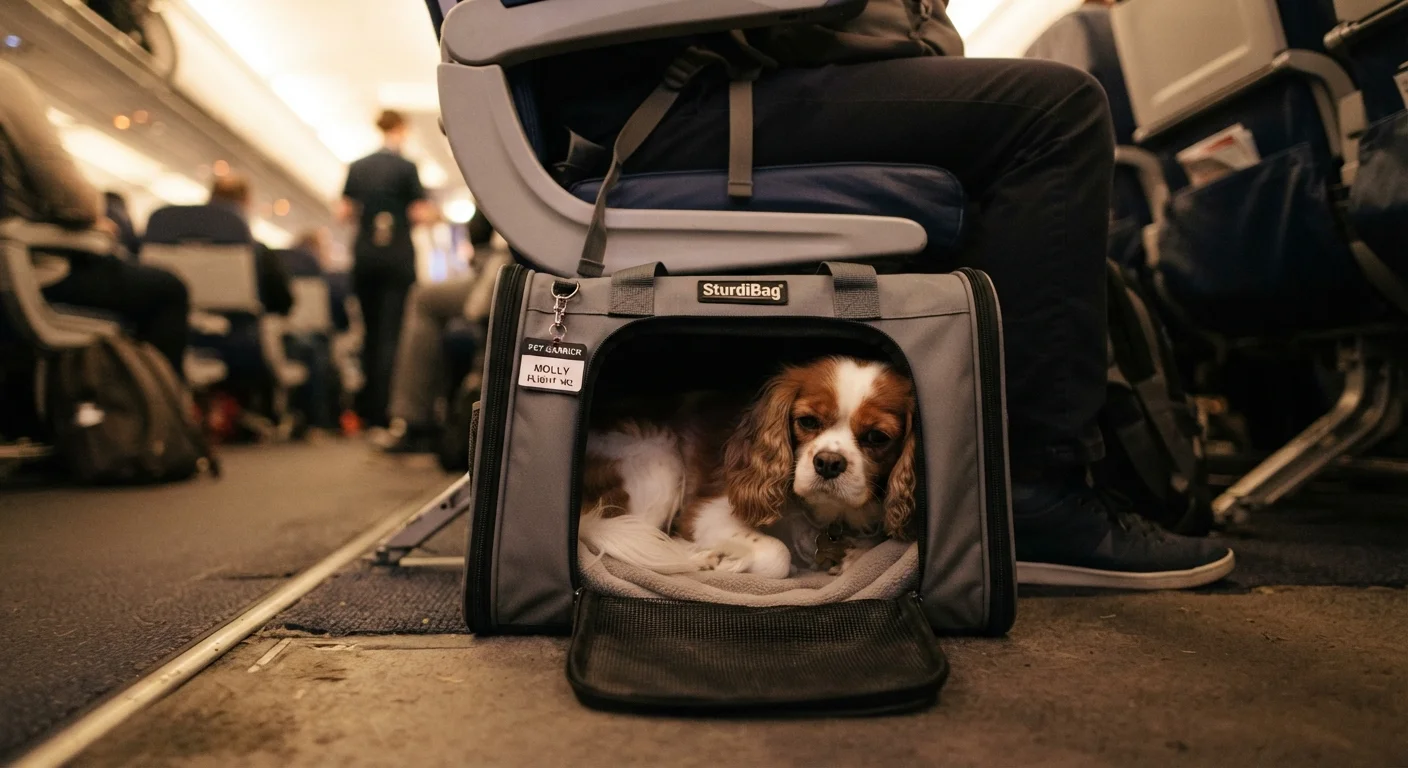
In-cabin travel means your pet stays with you throughout the flight, tucked in an approved soft-sided carrier under the seat in front of you. The pet counts as your carry-on item. You can hear and partially access your animal during the flight, which provides some reassurance for both of you.
Cargo transport places your pet in the aircraft's lower deck, in a temperature- and pressure-controlled compartment. This is sometimes called the "baggage hold," but reputable airlines maintain conditions appropriate for live animals - it is not the same as unregulated luggage storage. That said, you will have no contact with your pet from check-in until pickup at the destination.
For a deeper look at how these two options compare from a welfare and safety perspective, see the real risks of flying your pet.
Eligibility: What Determines Which Option Is Available
The biggest eligibility factor is size. Most U.S. airlines cap in-cabin pets at a combined weight of 15-20 lbs (pet plus carrier), though this varies by carrier. If your dog or cat exceeds that limit, cargo is typically the only flight option.
Species also matters. Birds, reptiles, and exotic animals are frequently excluded from both options on most commercial airlines. Cats and dogs are the most commonly accepted cabin pets, but even then, breed restrictions apply. Brachycephalic breeds - such as Bulldogs, Persian cats, and Pugs - are subject to tight restrictions or outright bans on many airlines due to documented respiratory risks at altitude.
| In-Cabin Travel | Cargo Transport | |
|---|---|---|
| Pet size limit | Typically under 15-20 lbs (pet + carrier) | Any size, airline-dependent |
| Owner contact during flight | Yes - pet stays under your seat | No - separate hold, no access |
| Crate type required | Soft-sided, under-seat approved | IATA-compliant hard crate |
| Typical domestic fee range | $95-$150 each way | $200-$400+ each way |
| Breed restrictions | Strict; brachycephalic often banned | Strict; brachycephalic often banned |
| Temperature/climate control | Same cabin as passengers | Separate hold; airline-maintained |
| International route availability | Often restricted or unavailable | More widely available |
Route length and destination add another layer. Some international routes prohibit in-cabin pets entirely. Hawaii-bound flights have strict agricultural inspection requirements. Always check the specific route, not just general airline policy.
If you're coordinating travel for more than one animal, the logistics multiply quickly. Traveling with multiple pets covers the coordination strategies experienced multi-pet families rely on.
Costs, Paperwork, and Practical Logistics
Pet fees for in-cabin travel typically range from $95-$150 each way on major U.S. airlines, though this changes and varies by carrier. Cargo fees are generally higher and may be calculated by crate size and weight, often landing between $200-$400+ for domestic routes. International cargo shipments can cost significantly more.
Both options require health documentation. A certificate of veterinary inspection (CVI) - commonly called a health certificate - issued within a specific window (often 10 days) before travel is standard. Some destinations require additional paperwork, especially for international travel. Verify requirements with your airline and, for international trips, with the destination country's agricultural authority.
Book Early and Confirm in Writing
Most airlines cap the number of in-cabin pets per flight - typically two to four animals total. Cargo space for live animals can also be limited, particularly on smaller regional aircraft. Reserve your pet's spot as early as possible and confirm the booking at least 48 hours before departure. Keep a record of any confirmation numbers or email correspondence, since policies and availability can shift.
Crate standards differ too. Cargo crates must meet IATA (International Air Transport Association) Live Animal Regulations - these are specific sizing, ventilation, and construction requirements. Cabin carriers must fit under the seat and typically need mesh ventilation panels. Choosing the right carrier type walks through how carrier construction affects your options.
Making the Right Call for Your Pet
Neither cabin nor cargo is inherently the superior option - context matters enormously. A healthy, small terrier on a two-hour domestic flight may handle cabin travel without stress. A large, calm Labrador may travel cargo without incident. But a senior dog with heart disease, or a cat prone to severe anxiety, needs a different conversation entirely - one that starts with your veterinarian.
Before booking, ask your vet about your pet's fitness for air travel, especially if your animal is young, elderly, has a respiratory condition, or a flat face. The Pet Care Basics hub has foundational guidance on keeping your pet healthy through disruptions to routine.
It's also worth stepping back and asking whether flying is the right mode at all. Road trips versus flying with your pet offers a structured way to weigh the full picture before you commit to either.
This article provides general travel information only and is not veterinary or medical advice. Always consult a licensed veterinarian before making decisions about your pet's health or travel fitness, and verify all airline policies directly with your carrier before booking.