

Key Takeaways
- A capsule wardrobe prioritizes versatility and mix-and-match potential over sheer clothing volume.
- There is no single "correct" number of pieces - the concept is flexible by design.
- Capsule wardrobes work best when built around your actual lifestyle, not an idealized one.
- The approach can reduce decision fatigue and cut unnecessary spending over time.
- It requires honest editing and may not suit everyone's relationship with fashion or self-expression.
Capsule Wardrobe
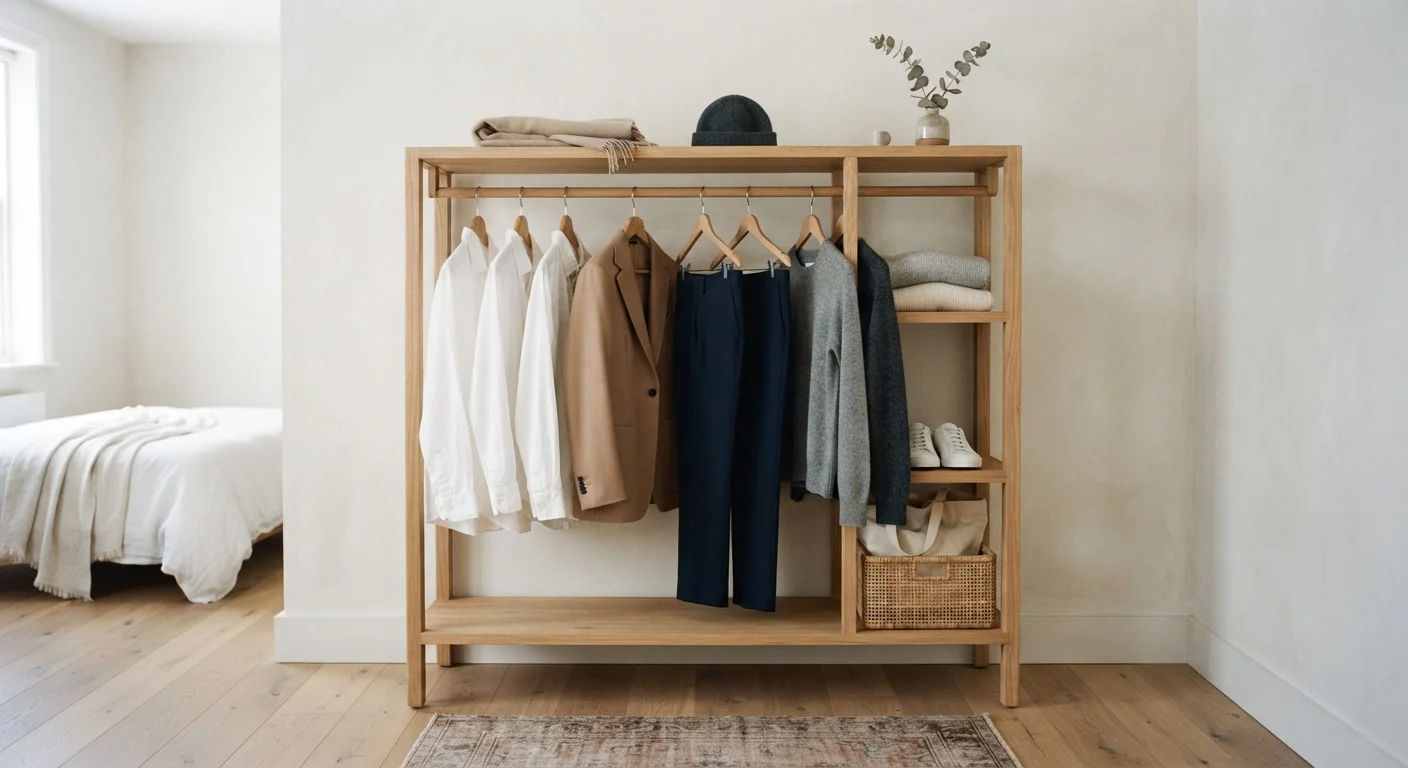
A capsule wardrobe is a deliberately small, curated collection of clothing where every piece works well with the others. The goal is to own fewer items but get more outfit combinations out of what you have. Items are typically chosen for versatility, durability, and a consistent color palette rather than trend appeal.
The concept is often credited to London boutique owner Susie Faux, who used the term in the 1970s, and was later popularized by designer Donna Karan's '7 Easy Pieces' collection in 1985.
Where the Idea Comes From
The capsule wardrobe concept emerged decades before social media turned it into a Pinterest aesthetic. At its core, the idea is simple: build a small, intentional wardrobe where every item earns its spot because it coordinates with multiple other pieces. Nothing is extraneous; nothing sits unworn for months.
The appeal is real. If you've ever stood in front of a packed closet feeling like you had nothing to wear, you've experienced the exact problem a capsule wardrobe is designed to solve. That frustration often comes not from owning too little, but from owning too much that doesn't work together - a topic explored in depth in why your closet feels full but you have nothing to wear.
The Number Is Not the Point
Online versions of the capsule wardrobe often fixate on a magic number - 10 pieces, 30 pieces, 37 pieces. In practice, the number matters far less than whether the pieces work together and suit your life. Don't let a specific count become the goal at the expense of function.
What a Capsule Wardrobe Actually Involves
Building one starts with an audit, not a shopping trip. You assess what you already own, identify what gets worn regularly, and remove what doesn't serve you. The goal is a collection where the majority of items can be combined into multiple outfits across different occasions.
Practically, that means thinking in terms of color cohesion (pieces that share a palette or complement each other), occasion overlap (items that cross-dress between casual and professional settings), and fabric longevity (materials that hold up to regular wear).
~30%
Clothing worn regularly in the average wardrobe
Research into consumer behavior suggests most people regularly wear only a fraction of the clothing they own, with much of a closet going largely untouched.
33
Pieces in a popular capsule framework
Project 333, a well-known minimalist fashion challenge, popularized the idea of dressing with 33 items or fewer for a three-month period, including shoes and accessories.
This is also where lifestyle reality becomes essential. Your capsule wardrobe should reflect the life you actually live, not an imagined version of it. See our piece on dressing for your lifestyle vs. your body shape for a deeper look at how daily routine should drive wardrobe decisions.
The Real Trade-Offs
The capsule wardrobe gets sold as a clean, uncomplicated solution - and for many people it genuinely is. But it also comes with honest trade-offs worth considering before you start donating half your closet.
Start With an Edit, Not a Shopping List
Before buying anything new, spend time with what you already own. Pull out everything, try items on, and set aside what hasn't been worn in a full year. You may find your capsule is closer than you think - it just needs some clearing out around it.
- It requires upfront discipline. Editing down a wardrobe means making hard calls about sentimental pieces or items you've convinced yourself you'll eventually wear.
- Trend-responsive dressing is harder. If fashion experimentation and keeping up with seasonal shifts is part of how you express yourself, a rigid capsule model may feel stifling.
- Seasonal transitions need planning. A capsule for one season won't necessarily carry into the next. Using a seasonal wardrobe transition checklist can make that shift less chaotic.
- Cost per item may rise. Choosing quality over quantity often means paying more upfront, though building a wardrobe from scratch on a modest budget is possible with the right approach.
Who It Suits - and Who It Doesn't
The capsule wardrobe works particularly well for people who feel overwhelmed by clothing decisions, travel frequently, or have a consistent daily routine with predictable dress codes. It's also well-suited to anyone trying to spend more intentionally on clothing over time.
It's a tougher fit for people whose wardrobes need to cover dramatically different contexts - creative professionals who shift between client presentations, casual studio days, and social events may need more range than a strict capsule allows. Similarly, if fashion is a genuine source of creative joy for you, pruning aggressively might remove something valuable from your daily life, not add to it.
Secondhand shopping can be a practical middle path - building variety without constant new spending - though it comes with its own considerations worth understanding before diving in: secondhand shopping trade-offs worth knowing.
“A well-chosen wardrobe is about understanding who you are and what you need - not about following a formula or counting pieces.”
— Susie Faux, London boutique owner widely credited with coining the term 'capsule wardrobe' in the 1970s
Ultimately, the capsule wardrobe is a framework, not a rulebook. Take what serves your actual life and leave the rest.