

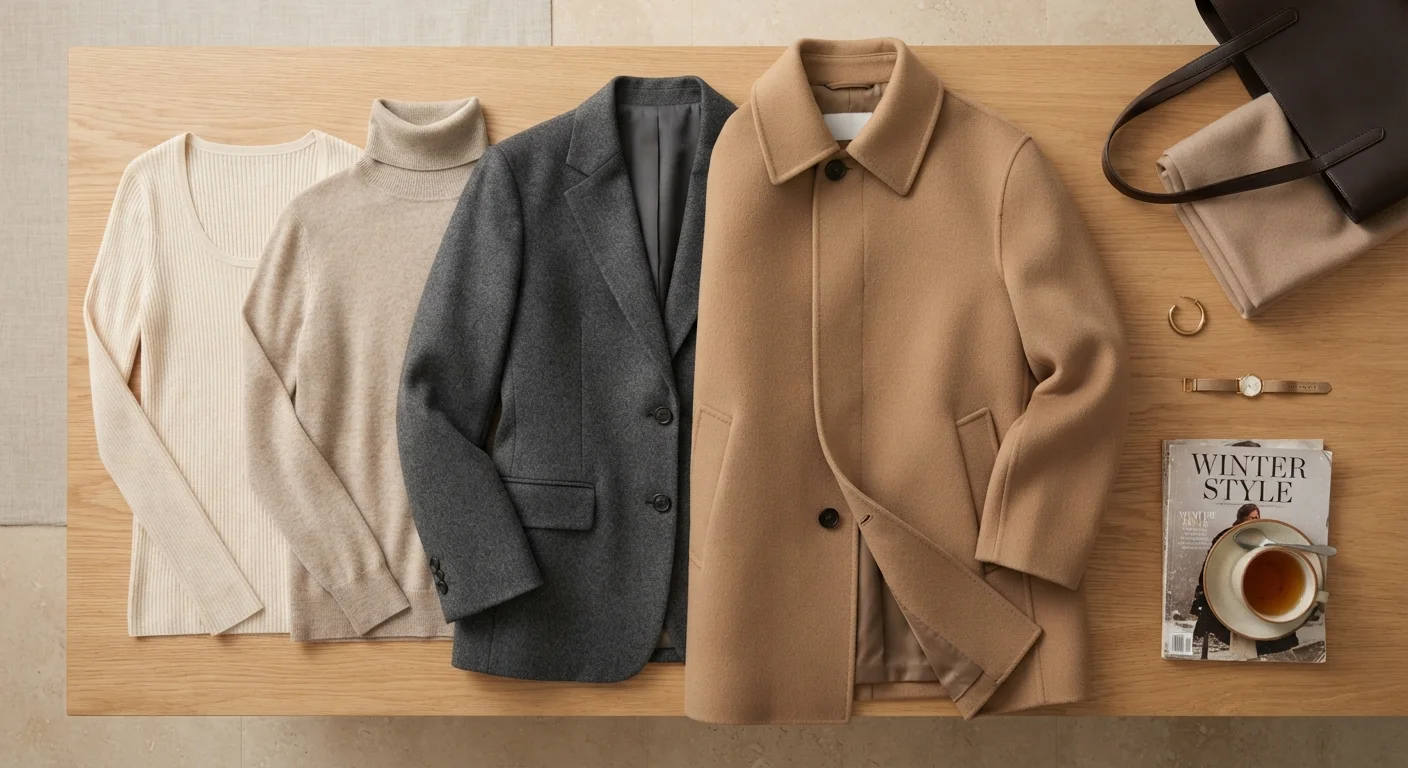
Key Takeaways
- Fit matters more than thickness - slim-cut base layers prevent bulk from the start.
- Fabric choice determines how layers move and breathe together without adding visual weight.
- Proportion and length are the key variables that keep a layered look polished.
- Monochromatic or tonal color palettes make layered outfits look intentional, not chaotic.
- Outer layers should be one size up to accommodate inner layers comfortably.
What you will need
Why Layering Goes Wrong - and How to Fix It
Cold-weather layering has a reputation for turning stylish people into shapeless bundles. The culprit is almost never the number of layers - it's the combination of wrong fits, conflicting proportions, and fabrics that don't cooperate with each other. Understanding a few basic principles upfront saves a lot of outfit frustration.
The most important concept is fit hierarchy: each successive layer should be slightly roomier than the one beneath it, but only by a small, intentional margin. Dramatic size jumps between layers create that puffed, overstuffed effect. Think of it like nesting - each layer sits cleanly just outside the previous one.
Fabric weight and texture matter just as much as fit. Smooth, flat fabrics (jersey, ponte, fine wool) stack well because they don't add friction or visual texture at every layer. Heavily textured fabrics - boucle, thick cable knit, sherpa - are eye-catching and statement-making, which means they work best used once per outfit, not stacked.
Fit First, Warmth Second
The most common layering mistake is starting with pieces that are already too relaxed in fit. When every layer has extra room built in, the combined effect is shapeless and heavy-looking. Always anchor your outfit with a close-fitting base, and add structure outward from there.
If you're building your cold-weather wardrobe from the ground up, our guide to building a wardrobe on a modest budget covers which foundational pieces give you the most layering flexibility.
Fitted Base Layer
Provides warmth and moisture management without adding visual bulk to the foundation of your outfit.
Lightweight Mid-Layer
Adds insulating warmth while maintaining a streamlined silhouette between the base and outer layers.
Structured Outer Coat
Defines the overall silhouette and acts as the outermost visual anchor for the whole layered look.
Slim or Straight-Leg Bottoms
Balances volume on top by keeping the lower half clean and elongated.
Turtleneck or Mock Neck
Serves as an elegant mid-layer that eliminates the need for a scarf while adding polish.
Belt or Waist-Cinching Accessory
Reclaims definition at the waist when layering longer or boxier pieces.
Step-by-Step: Building a Layered Outfit That Works
Ready to put it all together? Follow these steps to build a cold-weather outfit that keeps you genuinely warm without sacrificing shape. The process works for casual days, office environments, and everything in between - and it pairs well with outfit formulas that work for almost any occasion when you need a reliable starting point.
What you will need
Start with a close-fitting base layer
Your base layer does the quiet heavy lifting. Choose a fitted thermal, a ribbed long-sleeve top, or a snug tee in a breathable fabric like cotton-modal or merino wool. The goal is warmth and moisture management without adding any visual mass. This layer should essentially disappear under everything else.
Choose a lightweight, intentional mid-layer
Your mid-layer is where most of the style decision-making happens. A slim-fit crewneck sweater, a fitted turtleneck, or a lightweight quarter-zip works well. Avoid bulky cable knits here unless this is your only added layer - save heavyweight textures for when they're the focal point, not buried under a coat.
Aim for pieces that end at the hip or shorter; mid-layers that hit mid-thigh or below create unnecessary volume that's hard to balance.
Size up your outer layer by one
Your coat or jacket needs to close comfortably over everything underneath without pulling across the shoulders or chest. When shopping for outer layers, try them on with a mid-layer in place. A coat that fits over one sweater but not two has limited seasonal utility. Generally, one size up from your usual accommodates typical layering needs.
Use color and tone to unify the look
Layering multiple visible pieces draws the eye to every transition point. A monochromatic outfit - varying shades of one color - makes those transitions feel seamless rather than segmented. Alternatively, try a tonal palette: navy, camel, and cream work together visually because they share warmth or depth. High-contrast combinations (black base, white mid, bright outer) can work but require more attention to proportion to avoid looking choppy.
Balance the proportions from top to bottom
The golden rule of layering: if you're adding volume on top, keep it streamlined on the bottom. A chunky knit or puffer vest works beautifully with slim or straight-leg trousers. If your outer coat is oversized and long, consider tucking your top layers and opting for fitted pants to restore a sense of proportion. The goal is visual balance, not uniform volume throughout.
Tuck, half-tuck, or belt to define your waist
Cold-weather layering often obscures the natural waistline, which can make even a well-fitted outfit feel oversized. A front tuck - where just the front hem of a mid-layer is tucked into your pants - is one of the fastest ways to restore proportion. A belt worn over a cardigan or long sweater achieves a similar effect with more drama. Either approach gives the eye a clear structural cue.
[tip_callout]Avoid Stacking Thick Fabrics Together
Layering a chunky knit over a thick fleece over a padded shirt is a recipe for restricted movement and a top-heavy silhouette. Reserve your one statement-weight piece - like a substantial knit or puffer - for a single layer, and keep everything else lightweight around it.
Once you've got your layering system down, keeping those pieces in good shape over time matters. Our guide to caring for your clothes so they last longer covers how to wash and store layering staples without degrading fabric or fit. And when the season shifts, the seasonal wardrobe transition checklist will help you rotate your cold-weather pieces out efficiently.