

Key Takeaways
- Schedule a vet visit at least 2-4 weeks before departure to allow time for vaccines and documentation.
- A health certificate is legally required for most air travel and some state or international crossings.
- Vets evaluate anxiety, motion sickness risk, and chronic conditions that could worsen during travel.
- Non-core vaccines like Bordetella or Leptospirosis may be recommended based on your destination.
- Sedation is rarely advised for travel; safer anxiety-management options exist and should be discussed with your vet.
What you will need
Why a Pre-Travel Vet Visit Is Different From a Routine Checkup
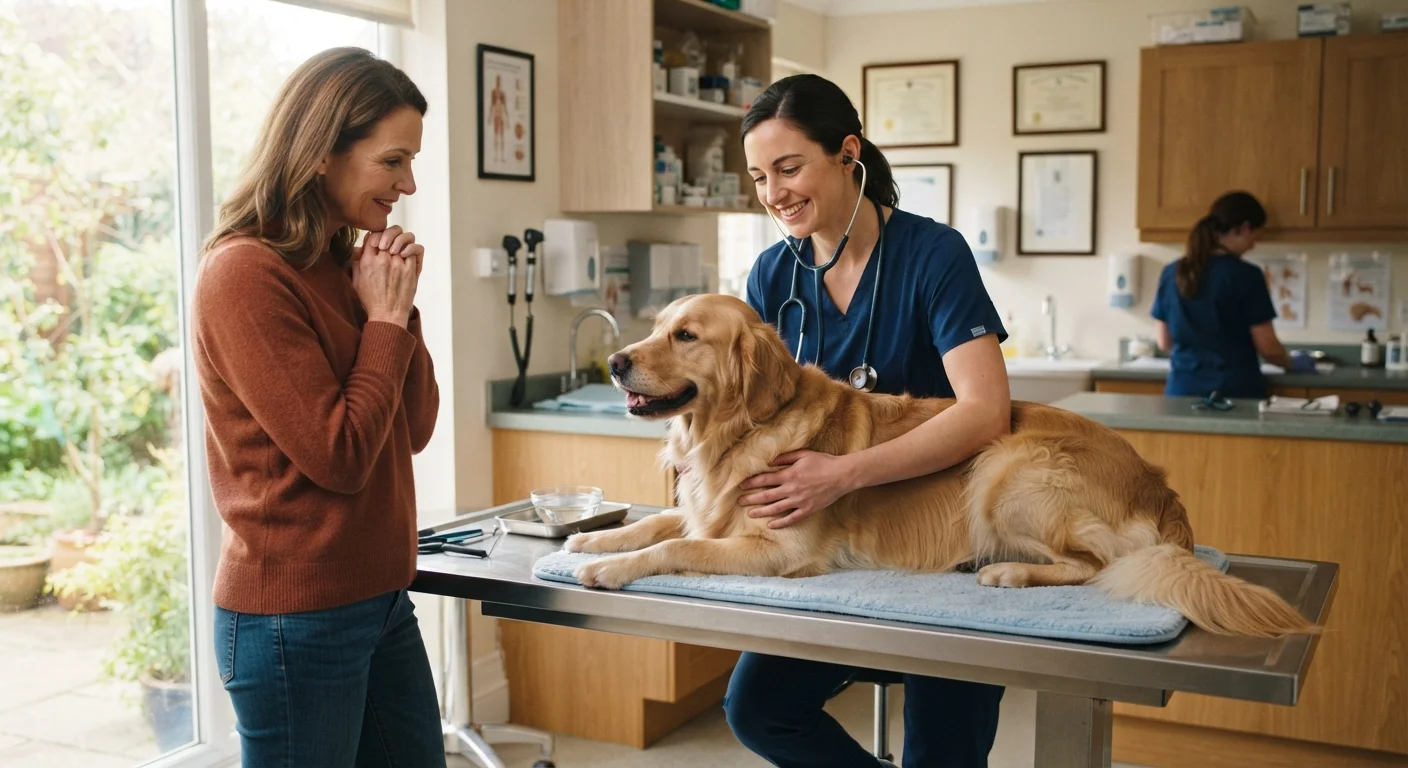
Most pet owners are diligent about annual wellness exams - but a pre-travel vet visit has a distinctly different purpose. Where a standard checkup focuses on overall health maintenance, a travel-focused appointment is about assessing fitness for a specific set of conditions: confinement, temperature fluctuation, unfamiliar environments, and destination-specific health risks.
Vets who handle travel clearances are looking at questions a routine exam doesn't always ask: Can this animal tolerate extended crating? Is the heart strong enough for altitude or heat? Are there regional parasites or diseases at the destination that require preventive action?
If you're planning a longer journey, this visit is also where paperwork gets sorted. For an overview of everything involved in traveling with an animal - from car trips to flights - our complete traveling-with-pets guide is a solid starting point.
What you will need
Step-by-Step: What to Do Before Your Trip
Follow these steps in sequence to make sure your pre-travel vet prep is thorough and timed correctly. The earlier you start, the more flexibility you'll have to address anything unexpected - an overdue vaccine, a prescription refill, or a health issue that needs monitoring before you commit to the road.
Health Certificates Have Strict Expiration Windows
Most airlines and interstate or international crossings require a USDA-accredited veterinarian to issue a health certificate within 10 days of travel. If you book your vet appointment too early, the certificate may expire before your trip. Confirm the exact window required by your carrier or destination authority before scheduling.
Book the Appointment 2-4 Weeks Before Your Trip
Timing is everything. Schedule your pre-travel vet visit at least two to four weeks before departure. This window gives you time to complete any required vaccines - some of which need days to weeks to reach full efficacy - while still keeping the health certificate within the valid issuance window your carrier or destination requires.
Review Vaccine Status and Destination-Specific Risks
Your vet will review your pet's current immunization record and assess what's needed for your specific destination. Core vaccines - rabies and distemper combinations - are usually already current, but travel often triggers recommendations for non-core vaccines. See our guide to core vs. non-core pet vaccines for a deeper breakdown of how these decisions are typically made.
Examples of non-core vaccines that may come up: Bordetella (kennel cough) if your pet will be in boarding or dog parks en route; Leptospirosis if you're heading to areas with wildlife or standing water; and Lyme disease depending on tick prevalence at your destination.
Request a Travel-Specific Physical Examination
Ask your vet to evaluate your pet with travel in mind, not just routine wellness. This means checking the cardiovascular and respiratory systems for conditions that could be stressed by altitude, heat, or confinement; assessing joint health for animals that will be crated for long periods; and reviewing any chronic medications to ensure supply and stability during travel.
Discuss Anxiety and Motion Sickness Management
This is one of the most overlooked parts of pre-travel preparation. If your pet has shown signs of anxiety or nausea in vehicles or new environments, tell your vet directly. Options range from behavioral preparation strategies and pheromone products to prescription anti-nausea medications that are well-tolerated during travel.
On the topic of sedation: many owners assume it's the obvious solution for anxious pets, but veterinary guidance generally advises against it for travel - especially air travel. Our article on pet sedation myths explains the reasoning in detail.
Obtain and Review Your Health Certificate and Documentation
Once the physical exam is complete and your vet is satisfied your pet is fit to travel, request the official health certificate. Confirm it meets the requirements of your airline, ferry, or destination - some require USDA endorsement on top of the vet's signature. Keep digital and physical copies.
Beyond the certificate, ask for a written summary of your pet's current medications, vaccine dates, and any conditions relevant to emergency care. This becomes invaluable if you need a walk-in vet clinic mid-trip. For a full rundown of what documentation to carry, see our pre-trip checklist for traveling with pets.
Update Microchip Information and ID Tags
Before you leave the clinic, ask your vet to scan your pet's microchip and confirm the registration details are current - including your cell phone number. Update ID tags to reflect the same. In a worst-case scenario where your pet gets separated from you during travel, this step is what gets them home.
Once your vet prep is complete, the next priority is building out your pet's travel kit. The pet travel packing list most owners don't think to build covers the health documents, comfort items, and emergency supplies that belong in every bag.
Bring Your Destination Details to the Appointment
Your vet's recommendations depend heavily on where you're going. A mountain camping trip carries different parasite and wildlife-exposure risks than a coastal vacation rental. Bringing your itinerary - including planned outdoor activities and any overnight stops - helps your vet tailor vaccine and preventive-care advice specifically to your route.
What to Expect After the Appointment
Leave the clinic with a clear checklist: which vaccines were administered today and which need a follow-up, whether any prescriptions were issued and how to administer them on the road, and what documents you're carrying. Ask your vet if there's anything to monitor in the days following new vaccines - mild lethargy is common, but you want to know what warrants a callback.
If your itinerary includes a long drive, it's also worth thinking about vehicle prep in parallel. Our related resource on preparing your car for a long road trip covers the mechanical checks that complement your pet-travel planning.
For destination-specific considerations and a broader look at what American families navigating pet travel actually encounter, traveling with pets: what American families need to know is worth a read before you finalize your plans.
This article is for general informational purposes only and does not constitute veterinary or medical advice. Always consult a licensed veterinarian for guidance specific to your pet's health and travel needs.