

Key Takeaways
- A vet checkup before departure confirms your pet is fit for travel and up to date on vaccinations.
- Airline pet policies vary widely - always verify directly with your carrier well before your flight date.
- Proper restraint in cars and an airline-approved carrier reduces risk for both pets and passengers.
- A well-stocked pet travel kit including health records is essential for any trip.
- Gradual exposure to carriers and car rides helps reduce travel anxiety in pets.
- Never leave a pet unattended in a parked vehicle, regardless of outside temperature.
Is Your Pet Ready to Travel?
Before any trip - whether it's a weekend getaway or a cross-country move - the first question isn't about logistics. It's about your pet. Not every animal handles travel the same way, and a little honest assessment up front saves a lot of stress later.
Start with a veterinary visit. A pre-trip checkup confirms that your pet is healthy enough to travel, current on required vaccinations, and free of any conditions that could worsen under travel stress. Your vet can also provide a health certificate, which many airlines and some state border crossings require. See our pre-trip checklist to make sure paperwork and health requirements don't slip through the cracks.
Age and temperament matter too. Senior pets or those with chronic health conditions may need extra accommodations - or in some cases, might be better off staying home with a trusted sitter. Puppies and kittens under a certain age are often restricted from air travel entirely, so verify requirements early.
Request your pet's health certificate no earlier than 10 days before departure - most airlines and many state regulations specify this window, and an older certificate may be rejected.
Health certificate timing is one of the most frequently overlooked details in pet travel preparation, and getting it wrong can result in your pet being denied boarding.
Practice loading and unloading your pet's crate from the car before your trip so it becomes routine - a familiar routine reduces stress at busy airports or rest stops.
Behavioral conditioning through repetition helps pets associate crates with safety rather than uncertainty, which measurably reduces travel anxiety.
Road Trips With Pets: What to Know
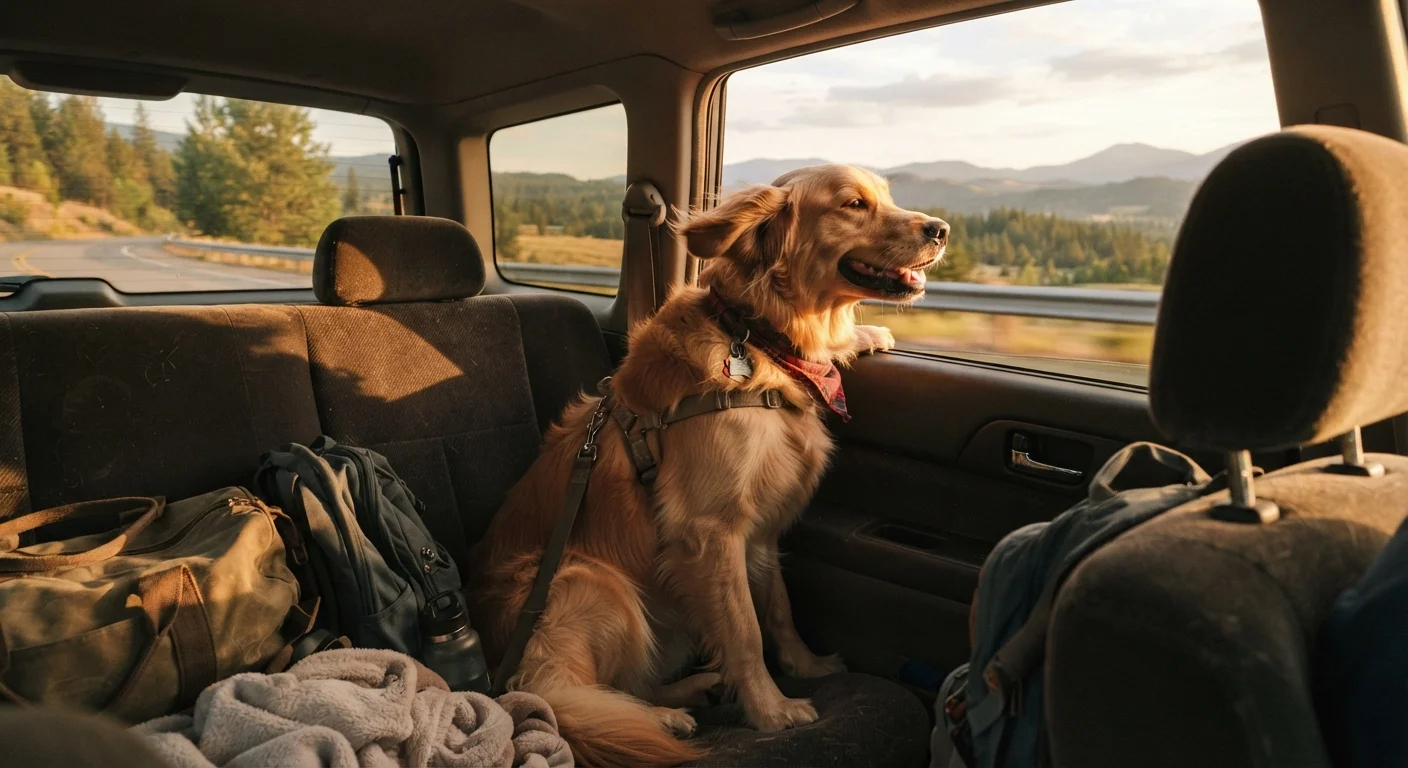
Car travel is often the most flexible option for pet owners, but it comes with real safety considerations. Unrestrained pets in moving vehicles are a hazard to themselves and everyone in the car. A crash-tested crate secured in the cargo area or back seat, or a pet-specific seat harness, keeps your animal safe and minimizes driver distraction.
Plan for regular stops - ideally every two to three hours - so your pet can stretch, hydrate, and relieve themselves. Keep a leash on at all times during rest stops; unfamiliar environments can startle even a calm pet. Never let your dog roam freely in a parking lot or near traffic.
Never Leave a Pet in a Parked Car
Even on a mild 70°F day, the interior of a parked vehicle can exceed 100°F within 20 minutes. Heat stroke in pets can develop rapidly and become life-threatening. If you need to stop somewhere that doesn't allow pets, arrange for a travel companion to stay with the animal or find a pet-friendly alternative.
Temperature regulation is critical. Even on mild days, the interior of a parked car can reach dangerous temperatures within minutes. Bring plenty of water and a travel bowl, and consider a cooling mat for warm-weather trips. For a full breakdown of what belongs in your kit, visit our guide on packing for your pet.
Flying With Pets: Navigating Airline Rules
Air travel with pets is more complex - and more variable - than most owners expect. Each airline sets its own policies on which species are allowed, carrier dimensions, in-cabin versus cargo rules, and fees. Policies can change, so always verify directly with your carrier before booking. Our companion piece pet travel myths addresses common misconceptions that can catch families off guard, including rules around emotional support animals.
Small pets that fit in an airline-approved soft-sided carrier that slides under the seat ahead of you may be eligible for in-cabin travel. Larger animals typically travel as checked baggage or air cargo - a process with its own set of health and crate requirements. Brachycephalic breeds (those with short, flat faces, such as bulldogs and Persian cats) face elevated respiratory risks in cargo holds and may be prohibited outright by some carriers.
Cargo vs. In-Cabin: Know the Difference
In-cabin pet travel typically applies to small animals in carriers that fit under the seat. Cargo travel involves a separate, temperature-controlled hold and has its own health and crate standards. The two processes have distinct requirements and risk profiles - verify which applies to your pet and understand the specifics before you fly.
Book early and confirm your pet reservation separately from your own ticket - most airlines cap the number of pets per flight. Have your health certificate and vaccination records printed and accessible at check-in.
What to Pack for Your Pet
A well-organized pet travel kit is as important as your own luggage. At minimum, pack: enough food and treats for the journey plus a buffer supply, a collapsible water bowl, waste bags, a leash and collar with current ID tags, and any medications your pet takes regularly.
Documentation matters just as much as physical supplies. Carry a copy of your pet's vaccination records, your vet's contact information, and any health certificates required for your destination. If you're crossing state lines or entering certain parks or facilities, proof of rabies vaccination is commonly required.
Don't overlook comfort items - a familiar blanket or toy can significantly reduce anxiety in a new environment. For a thorough rundown of what experienced pet travelers wish they'd remembered, see the pet travel packing list most owners don't think to build.
1 in 3
American households that travel with pets
According to the American Pet Products Association, a significant share of U.S. pet owners incorporate their animals into travel plans each year.
70%+
Pet owners who say preparation reduces travel stress
Surveys of pet-owning travelers consistently show that owners who prepare in advance report smoother, less stressful trips for both themselves and their animals.
Keeping Your Pet Safe and Calm En Route
Travel anxiety is real for animals. Signs include excessive panting, drooling, vocalizing, trembling, or attempts to escape a carrier. The good news: most pets can be conditioned to tolerate - and even enjoy - travel with gradual preparation.
Start by introducing your pet to the travel crate or carrier weeks before the trip. Feed meals inside it, add familiar bedding, and take short practice drives. This builds a positive association before the stress of an actual journey. For a complete approach to planning pet-inclusive travel from start to finish, our guide on planning a pet-inclusive family vacation covers daily routines on the road and destination research.
If your pet has severe travel anxiety, consult your veterinarian. They may suggest behavioral strategies or, in some cases, situationally appropriate calming support. This is a conversation for your vet - not a decision to make based on general advice alone.
Common Mistakes to Avoid
Even experienced pet travelers make avoidable errors. Here are the most common pitfalls:
- Skipping the vet visit: Assuming your pet is fine without a pre-trip checkup can mean discovering a problem mid-journey.
- Waiting to check airline policies: Booking a ticket before confirming pet rules can result in your animal being turned away at the gate.
- No ID on your pet: A collar with current contact information and a microchip registered to your current address are essential - especially in unfamiliar places.
- Feeding a large meal before travel: Motion sickness is more likely on a full stomach. Ask your vet about appropriate feeding timing before departure.
- Ignoring destination rules: Some national parks, beaches, and rental properties have strict pet restrictions. Research ahead of time.
For a broader look at what American families navigating pet travel actually encounter, visit our overview at traveling with pets: what American families need to know. And for ongoing guidance across planning and pet care, explore our travel planning hub and pet care basics resources.
This article provides general informational guidance for pet owners and is not a substitute for advice from a licensed veterinarian. Always consult your vet before traveling with a pet, particularly if your animal has health conditions or travel anxiety.