

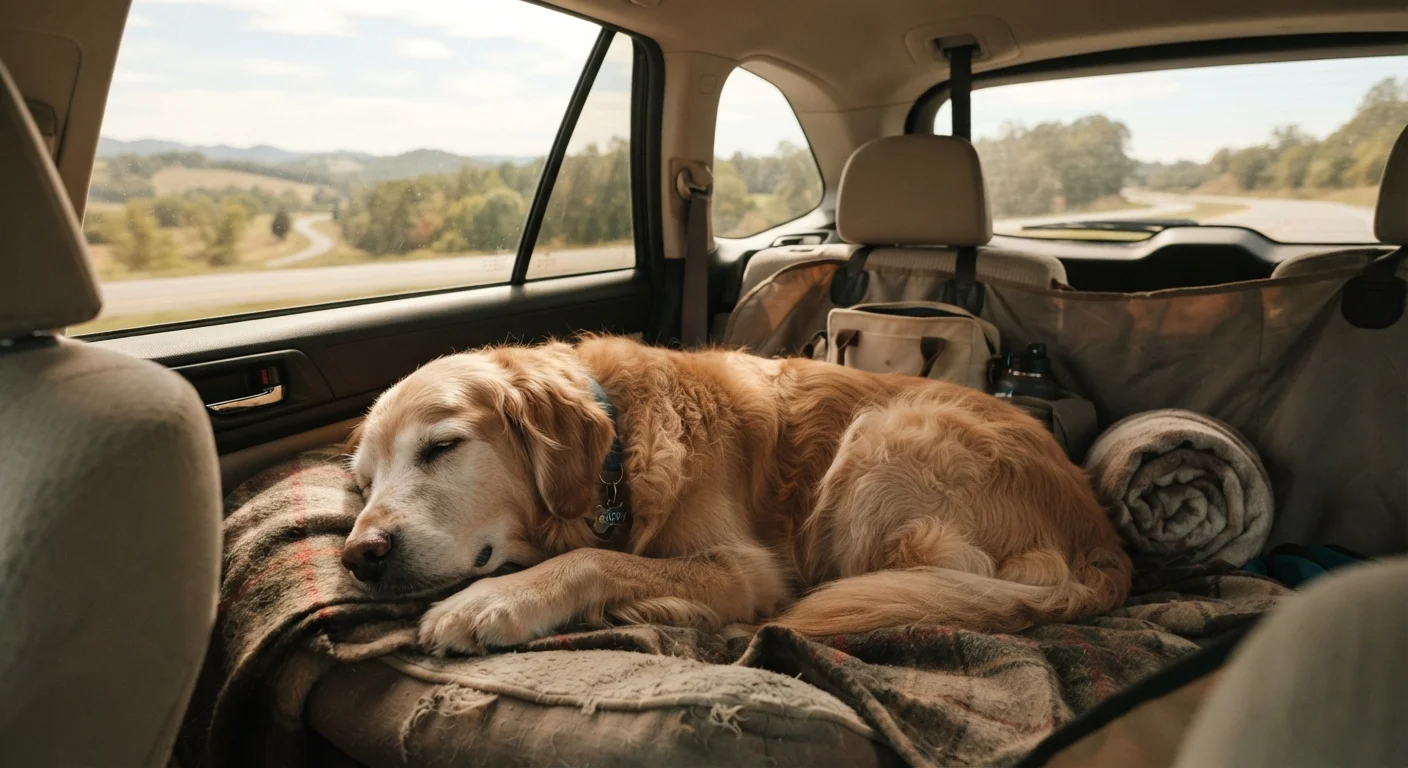
Key Takeaways
- A pre-trip veterinary checkup is essential before traveling with any senior pet.
- Shorter travel days, more frequent breaks, and familiar bedding reduce stress for older animals.
- Senior pets may have hidden health conditions that make certain trip types genuinely risky.
- Medication schedules, hydration, and temperature sensitivity require closer monitoring on the road.
- Sometimes the kindest choice for an aging pet is a comfortable stay at home with a trusted caregiver.
Why Senior Pets Need a Different Travel Approach
Traveling with a pet who's been your adventure companion for years is deeply rewarding - but the logistics that worked when your dog was three won't necessarily hold up when she's eleven. Senior pets (generally dogs over seven and cats over ten, though this varies by breed and size) experience real physiological changes: reduced stamina, stiffer joints, greater temperature sensitivity, and sometimes anxiety that's more pronounced than it was in younger years.
These aren't reasons to leave your older animal behind automatically - but they are reasons to plan more deliberately. For a broader foundation on pet travel in general, see our end-to-end pet travel guide before diving into senior-specific adjustments.
Before You Pack: The Senior Pet Pre-Trip Checklist
A veterinary visit before any trip is important for all pets - but for seniors it's non-negotiable. Your vet can flag emerging conditions (early kidney disease, heart murmurs, arthritis flare-ups) that might make travel inadvisable or require modified plans. Ask specifically about motion sickness susceptibility, which can increase with age, and whether any current medications need timing adjustments for travel days.
Beyond the vet visit, the pre-departure checklist for senior pets overlaps heavily with general pet travel prep - vaccinations current, ID tags secure, health records accessible. Our pre-trip checklist for traveling with pets covers those universals in full detail.
On the Road: Adapting the Journey Itself
The single most impactful adjustment for senior pet travel is simply slowing down. Older animals tire more quickly, need more frequent bathroom breaks, and benefit enormously from having a consistent, familiar resting space - their own bed or blanket placed in the vehicle, not just a bare crate. Plan driving days around your pet's stamina, not your mileage goals.
Temperature regulation is another critical factor. Senior pets are more vulnerable to both heat and cold. Never leave an older animal in a parked vehicle, and be aware that air conditioning and heating affect animals differently than people - check on your pet's comfort regularly rather than assuming the cabin temperature is fine for them.
If your trip involves air travel, the calculus changes significantly. Cargo holds are particularly stressful and physically taxing for older animals. Review what that involves fully in our overview of pet travel for American families, and discuss the specific risks with your vet before booking.
Knowing When Staying Home Is the Kinder Option
Not every trip is the right trip for a senior pet, and recognizing that boundary is part of responsible ownership. Pets with advanced heart disease, uncontrolled diabetes, severe mobility impairment, or significant anxiety may experience genuine harm from travel - not just inconvenience. A long flight, a noisy vacation rental, or days of disrupted routine can be genuinely difficult for a fragile older animal.
If your destination or itinerary isn't senior-pet-friendly - think rugged hiking trips, very hot climates, or extended stays in unfamiliar environments - a quality pet-sitter or boarding situation at home may be the most loving choice. Our article on when leaving your pet at home is the safer choice walks through that decision framework in detail.
This article provides general information for educational purposes and does not constitute veterinary advice. Always consult a licensed veterinarian regarding your individual pet's health and suitability for travel.