

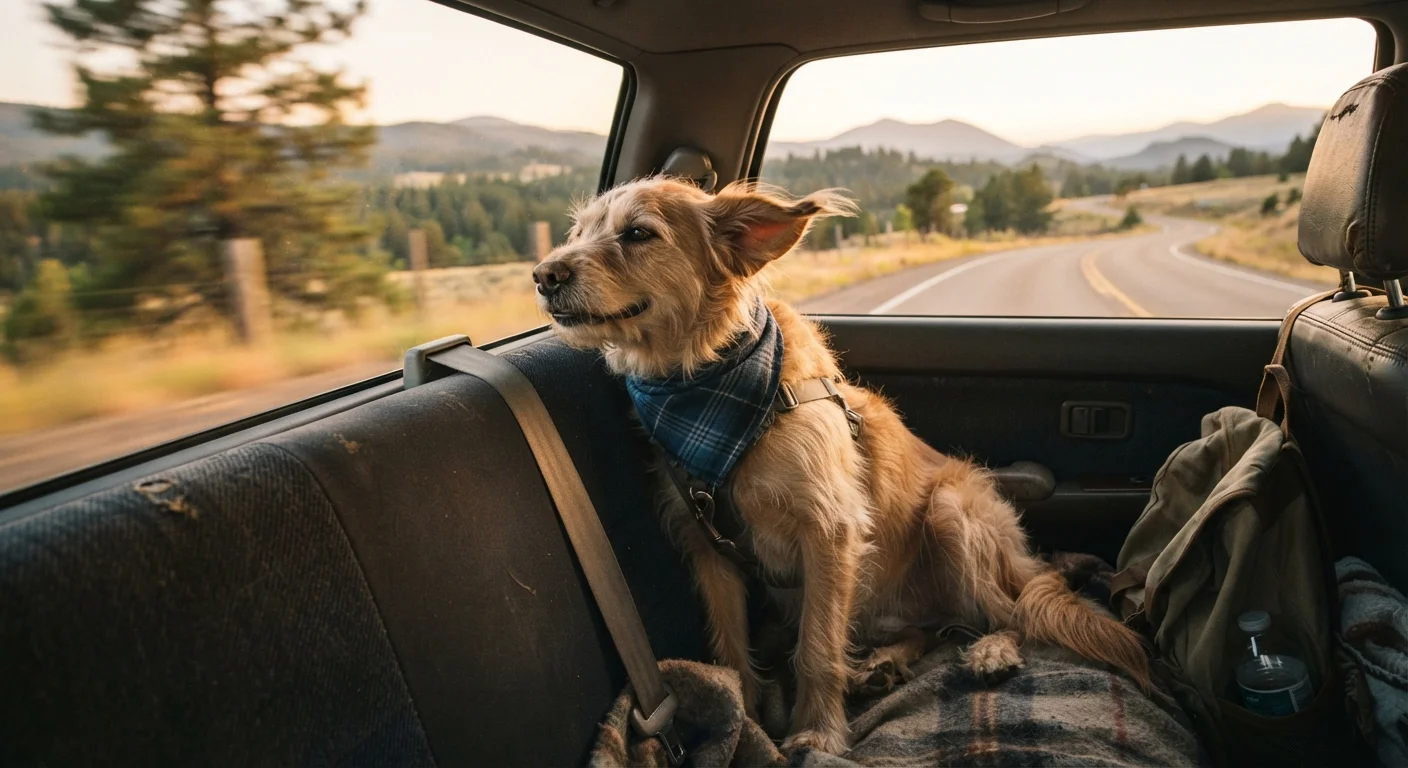
Key Takeaways
- Gradual car desensitization before the trip is the single most effective way to reduce dog anxiety.
- A secured, well-ventilated crate or harness improves both safety and your dog's sense of security.
- Feeding a light meal a few hours before departure can help minimize motion sickness symptoms.
- Regular rest stops for movement and bathroom breaks reduce stress and physical discomfort.
- Consult your veterinarian before using any calming aids, including supplements or medications.
What you will need
Why Car Rides Stress Some Dogs Out
Not every dog is a natural road tripper. For many, car anxiety stems from a combination of motion discomfort, unfamiliar sensory input, and simple lack of exposure. Puppies who weren't regularly introduced to car travel during their early socialization window are especially prone to associating vehicles with stress. Some dogs experience genuine motion sickness - triggered by inner-ear imbalance - while others react primarily to the psychological novelty of the experience.
Recognizing the difference matters. A dog who pants, drools heavily, and vomits is likely dealing with physical motion sickness. A dog who whines, trembles, or refuses to enter the car may be responding to anxiety. Many dogs experience both. Understanding which pattern your dog fits helps you choose the right approach - and know when to involve your veterinarian. For a comprehensive overview of traveling with your animal, the everything you need to know guide is a strong starting point.
Pack a Familiar Comfort Item
Tuck a well-worn blanket or one of your old T-shirts into your dog's travel space. Familiar scents are genuinely calming for dogs and can make an unfamiliar car environment feel much safer. This small step costs nothing and often makes a noticeable difference.
What You'll Need Before You Start
Getting the right gear in place before your first practice session makes a significant difference. You don't need an elaborate setup - but you do need the essentials covered.
Crash-tested travel harness or secured crate
Keeps your dog safely restrained and provides a defined, den-like space that reduces anxiety.
Spill-proof water bowl
Allows you to offer hydration during rest stops without mess.
Familiar blanket or worn clothing
Provides scent-based comfort in the unfamiliar car environment.
Long-lasting chew or puzzle toy
Gives an anxious dog something positive to focus on during longer stretches of driving.
Enzymatic cleaner and paper towels
Preparedness for motion sickness accidents keeps cleanup quick and stress-free.
What you will need
Step-by-Step: Keeping Your Dog Calm
Follow these steps in order, beginning well before your departure date. Skipping the desensitization phase is the most common mistake owners make - and it's usually what turns a manageable challenge into a miserable trip. For a broader look at what can go wrong on road trips with pets, see our article on road trip mistakes that put pets at risk.
Desensitize your dog to the car gradually
Start the process at least one to two weeks before your trip. Let your dog explore the parked car with the engine off - allow sniffing, reward calm behavior with praise and treats, and keep sessions short and positive. Progress to sitting in the car with the engine running, then short drives around the block, then progressively longer trips. This step-by-step exposure is the foundation of a calm travel experience.
Set up a secure, comfortable travel space
Choose either a well-ventilated, appropriately sized crate secured against the seat or a crash-tested travel harness clipped to the seat belt. Place a familiar-smelling blanket inside to encourage your dog to settle. A contained space gives most dogs a sense of security rather than making them feel trapped - especially if they've been introduced to the crate at home first.
Manage feeding and hydration before departure
Feed your dog a light meal two to four hours before you leave rather than right before getting in the car. A full stomach increases the likelihood of motion sickness. Offer fresh water freely at every rest stop, but avoid large volumes of water immediately before or during driving. Keep your dog's regular food on hand - switching foods during travel can cause digestive upset on top of travel stress.
Plan regular rest stops
Aim to stop every two hours at minimum to allow your dog to stretch, relieve themselves, and burn off nervous energy. Keep your dog on a leash at all rest areas - unfamiliar environments can cause even well-trained dogs to bolt. A short five-minute sniff walk does more to reset a dog's stress response than a long idle break in the car.
Use calming strategies during the drive
Keep the car cool and well-ventilated - heat increases anxiety and motion sickness. Speak in a calm, neutral tone rather than excitedly responding to your dog's whining, which can unintentionally reinforce the behavior. Some dogs settle more easily with calming music or white noise; others prefer quiet. A long-lasting chew or puzzle toy can redirect attention during difficult stretches. For dogs with persistent anxiety, ask your vet about evidence-based calming options - see our article on keeping anxious pets calm on long journeys for a deeper look at what the research supports.
Consult your vet about calming aids if needed
If behavioral strategies alone aren't enough, schedule a vet appointment well before your trip. Your veterinarian can evaluate whether your dog is a candidate for calming supplements, anti-nausea medication, or - in cases of genuine anxiety disorders - prescription support. Do not assume that over-the-counter or natural products are automatically safe; dosing and interactions vary by individual animal. Read our explainer on myths about sedating pets for travel before drawing any conclusions about sedation.
Always Check With Your Vet First
If your dog shows signs of severe anxiety - excessive drooling, vomiting, or inability to settle - speak with your veterinarian before your trip. Some dogs benefit from prescription support, but only a vet can determine what's appropriate for your individual animal. Never administer any medication or supplement without professional guidance.
After the Trip: What to Watch For
Once you've arrived, give your dog time to decompress. Some dogs remain unsettled for a few hours after a long ride - that's normal. Watch for signs of prolonged stress, digestive upset, or unusual lethargy lasting more than a day, and contact your veterinarian if anything concerns you.
If this trip was your dog's first long drive, take notes on what worked and what didn't. Every dog is different, and what calmed one may not work for another. Use the experience to refine your approach for next time - most dogs improve significantly with repeated positive exposure. For ongoing guidance, explore the Traveling With Pets hub and the Pet Care Basics hub for resources that support your dog's wellbeing on and off the road.
Never Leave Your Dog Unrestrained
An unrestrained dog in a moving vehicle is a safety hazard for both the animal and everyone in the car. In a sudden stop, even a medium-sized dog can become a dangerous projectile. Always use a crash-tested harness, secured carrier, or crate whenever your dog is in the vehicle.
This article provides general educational information for pet owners and is not a substitute for professional veterinary advice. Always consult a licensed veterinarian regarding your specific animal's health and behavior needs.