

Key Takeaways
- Ultra-processed foods are defined by their degree of industrial transformation, not just their nutrient content.
- Observational research associates high ultra-processed food intake with several adverse health outcomes.
- Most current evidence is associational; causation has not been firmly established for all linked conditions.
- Not every processed food is ultra-processed - there is a meaningful spectrum of food processing.
- Dietary patterns overall matter more than eliminating any single food category.
- Reading ingredient lists is one practical tool for identifying heavily processed products.
Ultra-Processed Foods
Ultra-processed foods are industrially manufactured products that go far beyond simple cooking or preservation. They typically contain ingredients rarely found in a home kitchen - such as artificial flavors, emulsifiers, color additives, and preservatives - and are designed primarily for convenience, palatability, and long shelf life. Examples include packaged snacks, ready-to-eat meals, sodas, and many breakfast cereals.
The NOVA classification system, developed by researchers at the University of São Paulo, groups foods into four categories based on the extent and purpose of processing. Ultra-processed foods fall into NOVA Group 4 and are defined less by individual nutrients than by the nature and degree of industrial transformation they have undergone.
Where the Term Comes From
The concept of ultra-processed foods gained scientific traction in the early 2010s through the work of Brazilian epidemiologist Carlos Monteiro and colleagues, who developed the NOVA food classification system. Rather than categorizing foods by individual nutrients - fat, sugar, sodium - NOVA groups them by how much industrial processing they have undergone and why.
This was a significant methodological shift. Nutrition science had long focused on nutrients in isolation, leading to cycles of vilifying fat, then carbohydrates, then sugar. NOVA's food-systems approach asked a different question: what has been done to this food before it reaches your plate? For a broader look at how these nutrient-centric myths have played out, see nutrition myths science has largely moved past.
Processing Is Not Automatically Harmful
Not all food processing is detrimental. Pasteurization, freezing, and canning have historically prevented disease and extended access to nutritious foods. The NOVA framework specifically distinguishes ultra-processing - industrial formulation with additives - from simpler forms of processing like cooking, drying, or fermentation. Blanket avoidance of all processed foods is neither practical nor supported by evidence.
What the Research Has Found
Since NOVA's introduction, a substantial body of large-scale observational research has emerged. Studies drawing on cohorts in France (the NutriNet-Santé study), Spain, the UK, and the United States have repeatedly found associations between high ultra-processed food consumption and elevated risks of conditions including obesity, type 2 diabetes, cardiovascular disease, depression, and colorectal cancer.
A 2019 randomized controlled trial published in Cell Metabolism by Kevin Hall and colleagues at the National Institutes of Health provided more direct evidence: participants assigned an ultra-processed diet consumed significantly more calories and gained weight compared to those on a minimally processed diet - even though both diets were matched for total calories, sugar, fat, and fiber offered. This study was notable precisely because it was one of the few controlled trials in this space, though it was small and short-term.
~58%
Share of U.S. adult calories from ultra-processed foods
A study published in BMJ Open using National Health and Nutrition Examination Survey (NHANES) data estimated that ultra-processed foods account for roughly 57-58% of daily energy intake among U.S. adults.
10%
Increased cardiovascular disease risk per serving increment
A large prospective cohort study published in The BMJ found approximately a 12% higher risk of cardiovascular disease events associated with each additional 10% increment in ultra-processed food consumption.
500 kcal/day
Extra calories consumed on ultra-processed diet
In the NIH randomized controlled trial by Hall et al. (2019), participants on the ultra-processed diet consumed roughly 500 more calories per day on average compared to the minimally processed diet group.
Still, most of the evidence base remains observational. Causation - meaning ultra-processed foods directly causing disease, independent of other dietary and lifestyle factors - has not been definitively established across all the associated conditions. Researchers continue to investigate the specific mechanisms that may link processing to health outcomes.
Why Processing May Matter Beyond Nutrients
One of the more intriguing questions in this field is why ultra-processed foods might affect health in ways that go beyond their raw nutrient profiles. Several hypotheses are under active investigation:
- Food matrix disruption: Industrial processing can alter the physical structure of food, affecting how quickly nutrients are absorbed and how full you feel after eating.
- Additive effects: Emulsifiers, preservatives, and artificial sweeteners may influence the gut microbiome, though human evidence is still preliminary.
- Hyperpalatability: Combinations of salt, sugar, fat, and texture engineered to maximize appeal may override normal satiety signals, encouraging overeating.
- Displacement of whole foods: A diet heavy in ultra-processed products tends to crowd out fruits, vegetables, legumes, and whole grains - foods with established benefits.
Understanding grain processing is closely related: what changes when grains are processed explains the specific nutritional losses that occur when whole grains are refined, a common step in ultra-processed food production.
A Simple Habit: Read the Ingredient List First
Before checking calories or macros on a package, scan the ingredient list. If it runs long and includes items like 'modified starch,' 'soy lecithin,' 'carrageenan,' or any artificial colors or flavors, the product is likely ultra-processed. Our guide on nutrition label literacy walks through how to read ingredient lists with confidence.
Keeping Perspective: What This Means for Everyday Eating
The science on ultra-processed foods is meaningful but still evolving. Here is what the current evidence most clearly supports:
- A dietary pattern built around whole or minimally processed foods - vegetables, fruits, legumes, whole grains, lean proteins - is associated with better health outcomes across multiple dimensions.
- Reducing reliance on ultra-processed foods, rather than achieving perfect elimination, is a realistic and evidence-consistent goal for most people.
- Socioeconomic and logistical realities matter. Access, cost, time, and cooking skills all shape what people can realistically eat. Any dietary guidance that ignores these factors is incomplete.
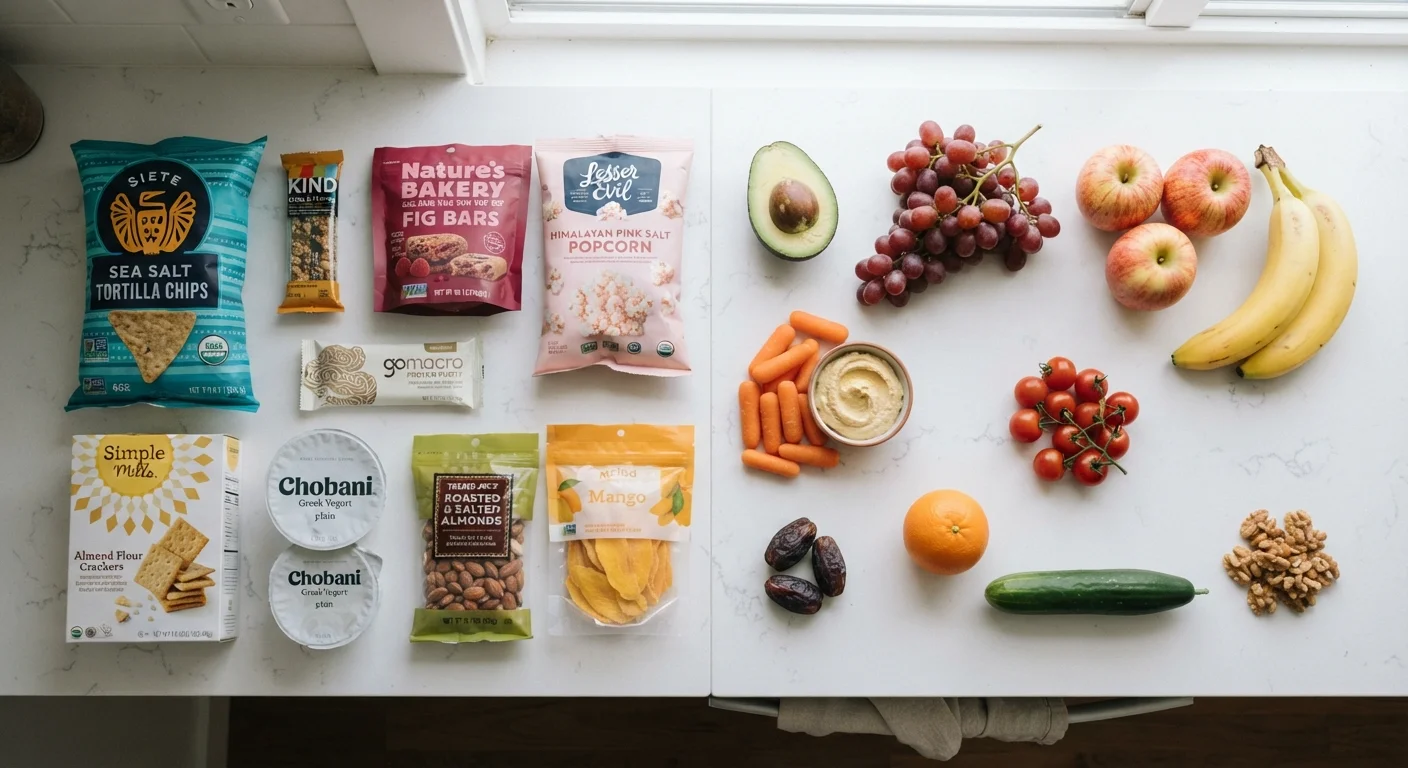
It is also worth noting that cutting out entire food groups often backfires - the same caution applies to treating all processed foods as equally problematic. Canned tomatoes, plain yogurt, and frozen vegetables are processed but not ultra-processed, and they contribute meaningfully to a healthy diet.
This article is for general informational and educational purposes only and does not constitute medical or dietary advice. For personal nutrition guidance, consult a registered dietitian or qualified healthcare professional.