
Before You Back Out of the Driveway: A Pre-Drive Routine That Catches Problems Early

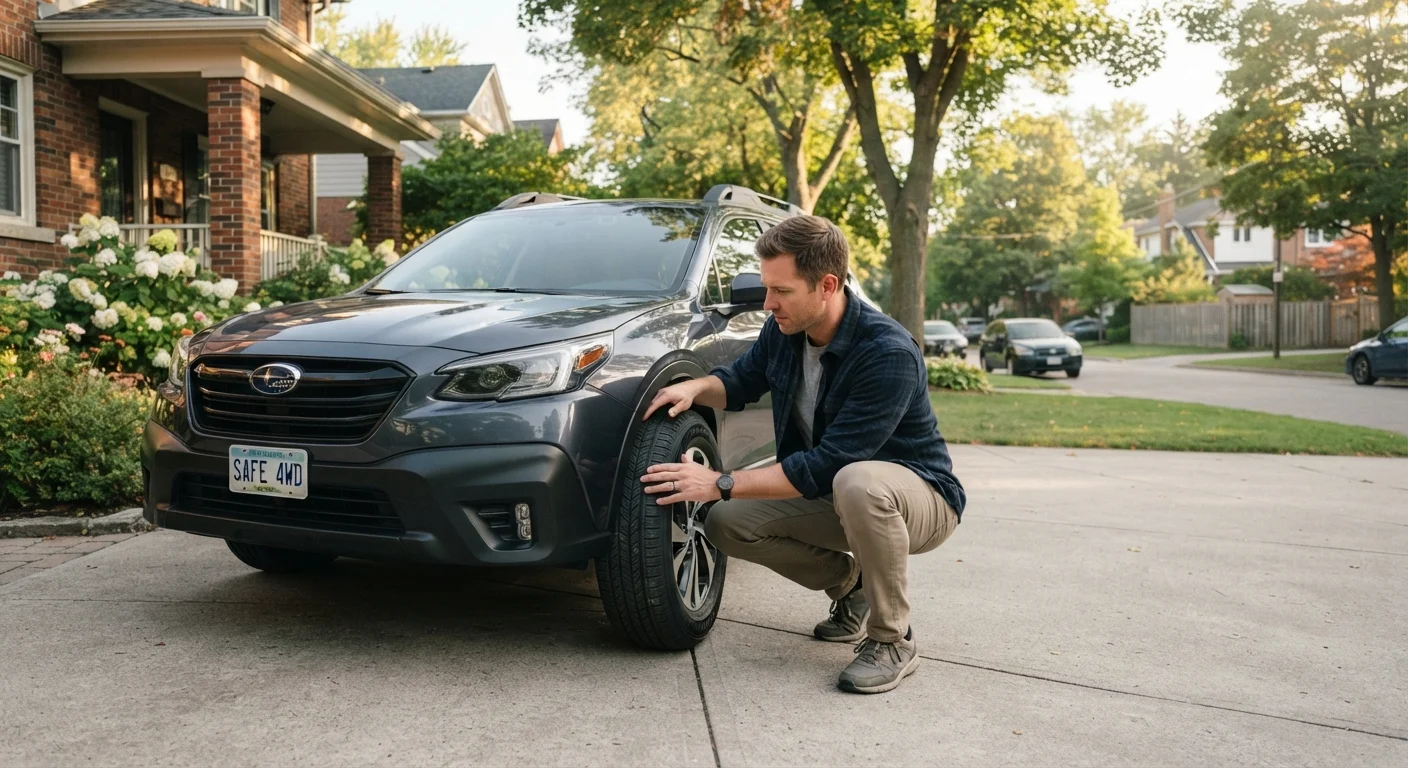
Key Takeaways
- A pre-drive routine takes under five minutes and can prevent costly breakdowns or crashes.
- Most checks are visual and require no tools - just attention and consistency.
- Tires, lights, and mirrors are the three areas that catch the most overlooked hazards.
- Dashboard warning lights should never be ignored before you pull out.
- This routine applies to every trip, not only long highway drives.
Summary
18 items · 2-5 minutes
Why a Two-Minute Habit Matters More Than You Think
Most vehicle failures and preventable crashes share a common factor: a problem that was visible before the driver ever left the driveway. A low tire, a burned-out brake light, or a windshield caked in morning frost aren't sudden surprises - they're conditions that a brief walk-around would have caught.
Professional drivers - from commercial truckers to first responders - perform pre-trip inspections as a standard discipline, not an occasional precaution. Building the same habit into your everyday routine takes almost no time, costs nothing, and pays off every time it prevents a roadside stop, a traffic stop, or worse.
This checklist covers everything worth checking before you back out, split into a quick exterior walk-around and a short in-cabin review. If you're new to driving, building this habit early will serve you for a lifetime. Experienced drivers benefit just as much - familiarity breeds complacency, and complacency is where problems hide.
Don't Dismiss a Dashboard Warning Light
A warning light that comes on and stays on is your vehicle communicating a problem - not a suggestion. Driving with an active check-engine, oil pressure, or brake warning light can turn a minor issue into expensive damage or a safety failure. If you're unsure what a light means, check your owner's manual before driving. For lights indicating low oil pressure or overheating, stop the vehicle as soon as it is safe to do so.
What You'll Need
No specialized equipment is required for this routine. A few simple items kept in or near your vehicle make the process faster and more effective.
Tire pressure gauge
Allows you to check actual PSI rather than relying on a visual estimate, which is unreliable at modern tire pressures.
Small flashlight or phone torch
Useful for inspecting tires, under the vehicle, or checking fluid levels in low-light conditions.
Microfiber cloth or ice scraper
Clears windshield, mirrors, and lights of condensation, frost, or debris before driving.
Owner's manual
Reference for correct tire pressure, fluid types, and dashboard warning light meanings specific to your vehicle.
The Pre-Drive Checklist
Work through these checks in the order listed - exterior first, then in-cabin. The exterior walk-around flows naturally if you circle the vehicle in one direction, ending at the driver's door.
Exterior Walk-Around
In-Cabin Check
Quick Fluid and Visibility Checks (Weekly)
Tire Pressure Changes with Temperature
Tire pressure drops roughly 1 PSI for every 10°F decrease in ambient temperature. A tire that was properly inflated in summer may be noticeably low on a cold winter morning without any leak or damage. Check pressure more frequently during seasonal transitions, and always use the door-jamb sticker specification - not the number printed on the tire itself, which is a maximum, not a target.
For a deeper look at seasonal considerations that go beyond the daily routine, see the seasonal car maintenance checklist that covers weather-specific preparation. And if you're heading out on a longer trip, the pre-road-trip inspection guide covers mechanical checks that go beyond the daily walk-around.
Making the Routine Stick
Consistency is the entire point. A pre-drive check done 90% of the time is significantly less valuable than one done every single time, because hazards don't schedule themselves around the days you're paying attention.
Attach the habit to something you already do automatically - unlocking the car, picking up your coffee, or putting on a seatbelt. Behavioral researchers call this habit stacking: pairing a new behavior with an existing trigger makes it far more likely to become automatic.
On days when you feel rushed, remember that the walk-around is two minutes at most when everything looks fine. The days it takes longer are exactly the days it was necessary. Driver fatigue is another pre-trip consideration worth honest self-assessment - no amount of vehicle preparation compensates for a driver who isn't fit to be behind the wheel.
Once you're on the road, the work isn't done. Certain driving situations demand disproportionate attention - see ten high-risk driving situations for a practical breakdown of when to sharpen your focus.