

Key Takeaways
- A spending audit reveals where money actually goes versus where you assume it goes.
- Reviewing at least 60-90 days of transactions gives a more accurate picture than a single month.
- Recurring charges and subscriptions are among the most commonly overlooked drains on household budgets.
- Categorising spending by need versus habit helps identify adjustments without overhauling your lifestyle.
- A spending audit is most useful when done regularly - quarterly or before major financial decisions.
Summary
22 items · 45-90 minutes
Why a Spending Audit Is Worth the Time
Most households operate on a rough sense of where their money goes - groceries, rent, utilities, some dining out. But the gap between what people think they spend and what bank and credit card statements actually show can be significant. A spending audit is a structured way to close that gap.
This isn't about cutting every discretionary expense or following a strict spending formula. It's about getting an accurate, category-by-category picture of your real spending so you can make deliberate choices rather than reactive ones. Done well, this kind of review can surface forgotten subscriptions, reveal category creep (where one area quietly balloons over time), and highlight spending that no longer reflects your current priorities.
If you've never done a formal spending review, or if it's been more than six months since your last one, this checklist is a practical starting point. Pair it with a monthly budget reset once you have a clear baseline, or use it to prepare before choosing a formal budgeting framework - see budgeting methods compared for an overview of structured approaches.
This Is a Review, Not a Verdict
A spending audit is a fact-finding exercise, not a judgment on your financial decisions. The goal is clarity - understanding what you're actually spending so you can decide what, if anything, you want to change. Approach each category with curiosity rather than self-criticism, and focus on patterns over individual transactions.
What You'll Need Before You Start
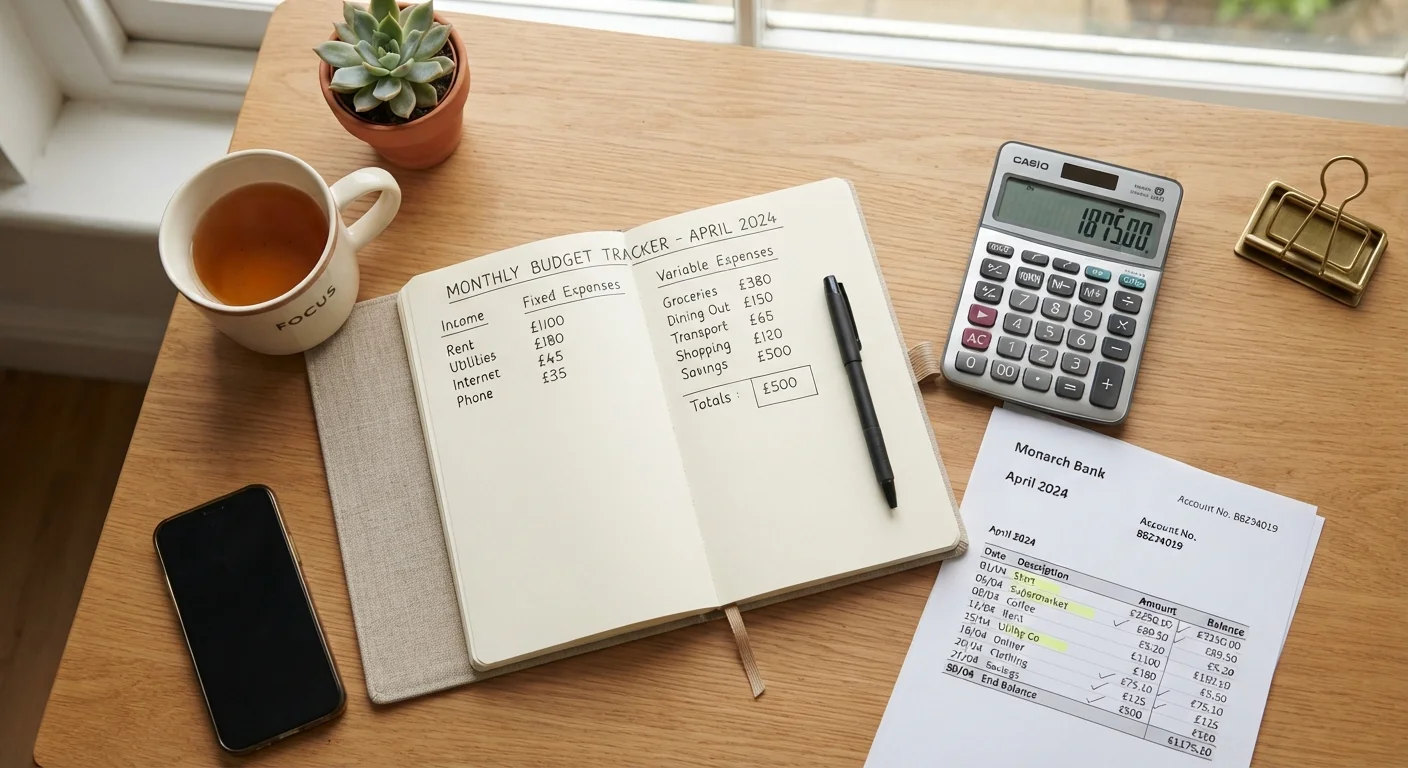
Gathering the right materials before you begin saves time and makes the audit more accurate. Aim to pull at least 60-90 days of records - a single month can be skewed by one-off purchases or unusual bills.
Bank and credit card statements
Primary source of transaction data covering all accounts used for regular spending.
Spreadsheet or budgeting notebook
Used to record, categorise, and subtotal transactions across the review period.
Calculator
Helps compute category totals, monthly averages, and irregular expense equivalents.
Budgeting or expense-tracking app
Can automate transaction import and categorisation if you prefer a digital workflow over manual entry.
Calendar or planner
Useful for mapping irregular or annual expenses to specific months so nothing is missed.
The Spending Audit Checklist
Work through each group in order. If a step doesn't apply to your situation, note it and move on - don't skip the review entirely because one category is irrelevant.
Gather Your Records
Categorise Every Transaction
Audit Recurring and Subscription Charges
Examine Variable and Discretionary Spending
Identify Gaps and Irregular Expenses
Draw Conclusions and Set Next Steps
One Month of Data Can Mislead You
Reviewing only a single month's spending is one of the most common audit mistakes. If that month included a holiday, a large repair bill, or an annual renewal, your totals will look very different from a typical month. Use at least 60-90 days of data and calculate a monthly average before drawing any conclusions.
Once you've completed the audit, you'll have a clear category-by-category snapshot. Many people find there are spending categories they hadn't budgeted for at all - pet care, personal care products, and irregular fees are common blind spots. Use your findings to set more realistic category targets going forward.
For a longer-term view, consider pairing this audit with an annual savings check-in to align your spending picture with your savings goals. And before your next purchase decision, the pre-purchase checklist can help you apply what you've learned here in real time.
This article is for general informational and educational purposes only. It does not constitute personalised financial advice. For guidance specific to your financial situation, consult a qualified financial professional.