

Key Takeaways
- Start scanning highway traffic while still on the entrance road, not at the ramp's end.
- Match highway speed before merging - slow merging is more dangerous than most drivers realize.
- Identify a target gap early and adjust your acceleration to meet it, not create one.
- Signal early and check blind spots thoroughly before committing to the merge.
- If no safe gap exists, adjusting speed on the ramp is far safer than forcing entry.
What you will need
Why Merging Feels So Stressful - and What's Actually Happening
Highway merging compresses several demanding tasks into a short window: accelerating, steering, scanning mirrors, judging gaps, and signaling - all while traffic moves at speed around you. That cognitive load is real, and anxiety is a natural response to genuine complexity. But most merge-related close calls stem not from bad luck but from a predictable set of habits: starting the scan too late, entering too slowly, or committing to a gap without a proper blind-spot check.
Understanding the structure of a merge - entrance road, acceleration lane, merge point - helps you treat it as a sequence of manageable decisions rather than one overwhelming moment. The ten driving situations that demand extra focus include highway entry for good reason: the consequences of a misjudgment here are higher than in slower environments. Building a reliable process is the antidote to anxiety.
Use the Ramp as a Planning Zone
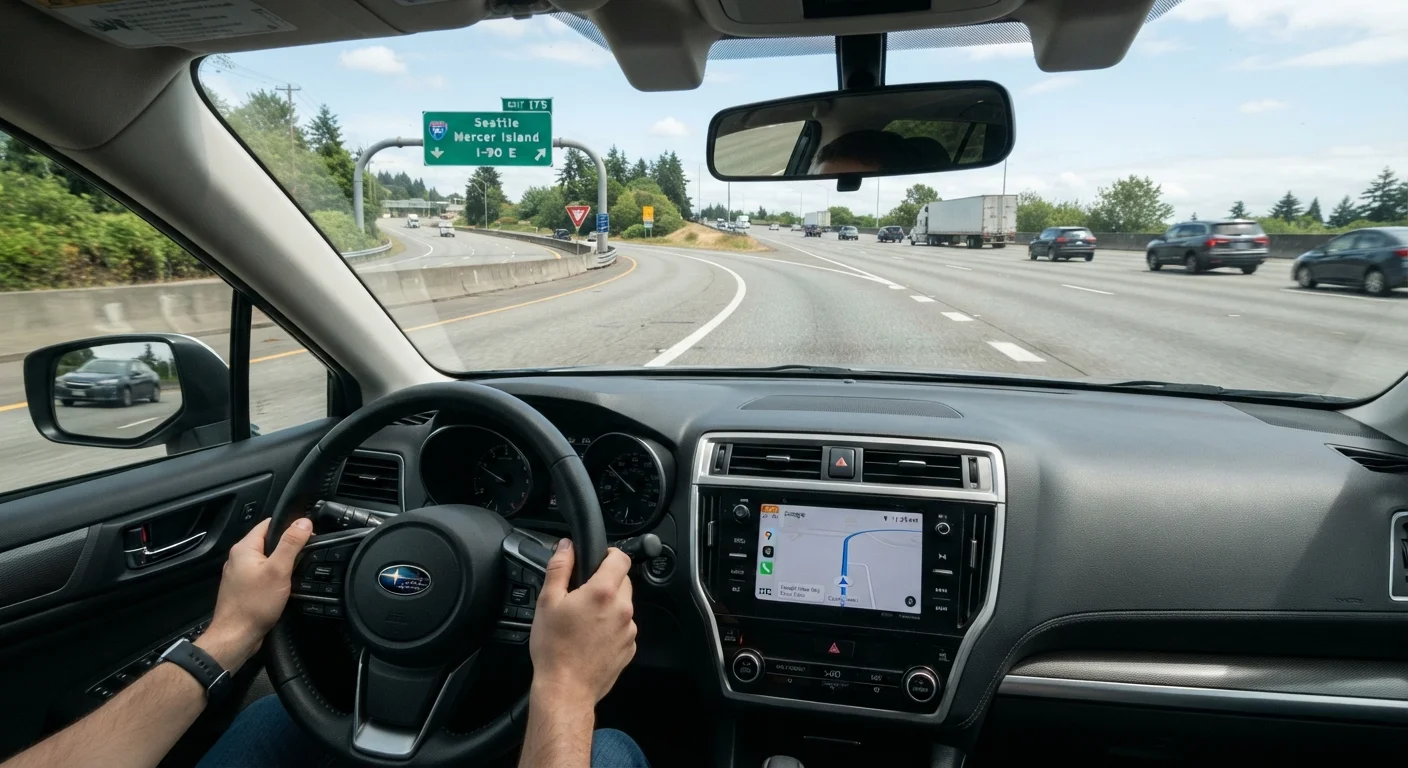
Think of the acceleration ramp not just as a speed-building stretch, but as a decision-making window. The moment you turn onto the ramp, shift part of your attention to the highway lane beside you. The earlier you identify your target gap, the more smoothly and safely you can time your acceleration to meet it.
What to Do When There's No Good Gap
Even with good technique, you'll occasionally reach the merge point without a clean gap to enter. In heavy traffic, this is common. The right response is to use any remaining ramp length to adjust your speed - slowing slightly to let a gap open ahead, or holding speed as a cluster of vehicles passes. What you should not do is stop unless the highway is at a complete standstill.
If traffic is gridlocked and vehicles ahead of you are stopped, then matching that stop is appropriate. But in moving traffic, even slow-moving traffic, maintaining momentum and merging assertively into an imperfect gap - with your signal on and a confirmed blind-spot check - is safer than hesitating at the ramp's end. Highway drivers generally expect entering traffic to be moving; a stationary or near-stationary vehicle is far harder to react to.
Blind Spots Are Especially Dangerous During Merges
The merge moment is one of the most common times drivers are caught out by blind spots. A vehicle in the lane you're entering may be invisible in both your mirrors and your forward view. Always perform a physical head-check over your shoulder before committing to the merge. For a deeper look at blind spot geometry, see what drivers get wrong about blind spots.
For a fuller picture of safe driving decisions across a range of road conditions, the complete safe driving reference for American roads is a useful companion resource.
Never Stop at the End of a Merge Ramp
Coming to a complete stop at the end of an on-ramp - unless traffic is completely gridlocked - dramatically increases your crash risk. A stopped or slow-moving vehicle entering a 65 mph highway forces following drivers to brake hard and gives you almost no room to accelerate safely. Use the full length of the ramp to build speed and find your gap.
Tools and Preparation
Merging safely doesn't require special equipment, but it does require that the tools already in your vehicle are used correctly and consistently.
Your Vehicle's Mirrors (Side and Rearview)
Used to monitor traffic in the target lane before and during the merge.
Turn Signal
Communicates your merge intention to highway drivers early enough for them to adjust.
Before you begin the steps below, confirm the following:
What you will need
Step-by-Step: Merging with Confidence
Begin scanning highway traffic early
As soon as you turn onto the entrance road leading to the on-ramp - before you've even reached the acceleration lane - begin observing traffic on the highway. Look for clusters of vehicles, open stretches, and the general pace of flow. This early scan gives you a mental picture of what you're merging into, rather than reacting to it at the last second.
Activate your turn signal before accelerating
Signal your intention to merge as you begin accelerating down the ramp - not at the last moment. An early signal alerts highway drivers that you're about to enter, giving them time to create space or maintain their position. This is especially important when traffic is moderate and drivers may need to adjust their following distance.
Match highway speed along the acceleration lane
The acceleration lane exists for one purpose: to get you up to the speed of highway traffic before you merge. Aim to reach the posted highway speed - or as close to it as traffic conditions safely allow - by the midpoint of the ramp. Entering at significantly lower speed forces highway drivers to brake and reduces the margin for error for everyone involved.
Identify your target gap and adjust to meet it
Rather than waiting to see what gap appears at the end of the ramp, pick a specific gap in highway traffic while you still have room to adjust your speed. If the gap is ahead of you, ease off the accelerator slightly to let it come to you. If it's behind, accelerate a little more to move into position. This proactive approach replaces last-second reactions with planned execution.
Perform a shoulder check and confirm the gap
Before moving laterally into the highway lane, do a quick but deliberate head-check over your left shoulder. Mirrors can leave a vehicle entirely hidden in your blind zone, particularly motorcycles and smaller cars. The physical shoulder check is the only reliable way to confirm the space is clear. Only after this confirmation should you begin your lateral move into the lane.
Merge smoothly and maintain your speed
Steer into the highway lane with a smooth, deliberate movement - not an abrupt dart. Once you're in the lane, maintain the speed you've matched and avoid braking unless necessary. Immediately after merging, check your mirrors to understand the traffic environment around you and establish a safe following distance from the vehicle ahead. For context on following distance risks, our article on the dangers of tailgating covers the physics in detail.